How the financing is structured
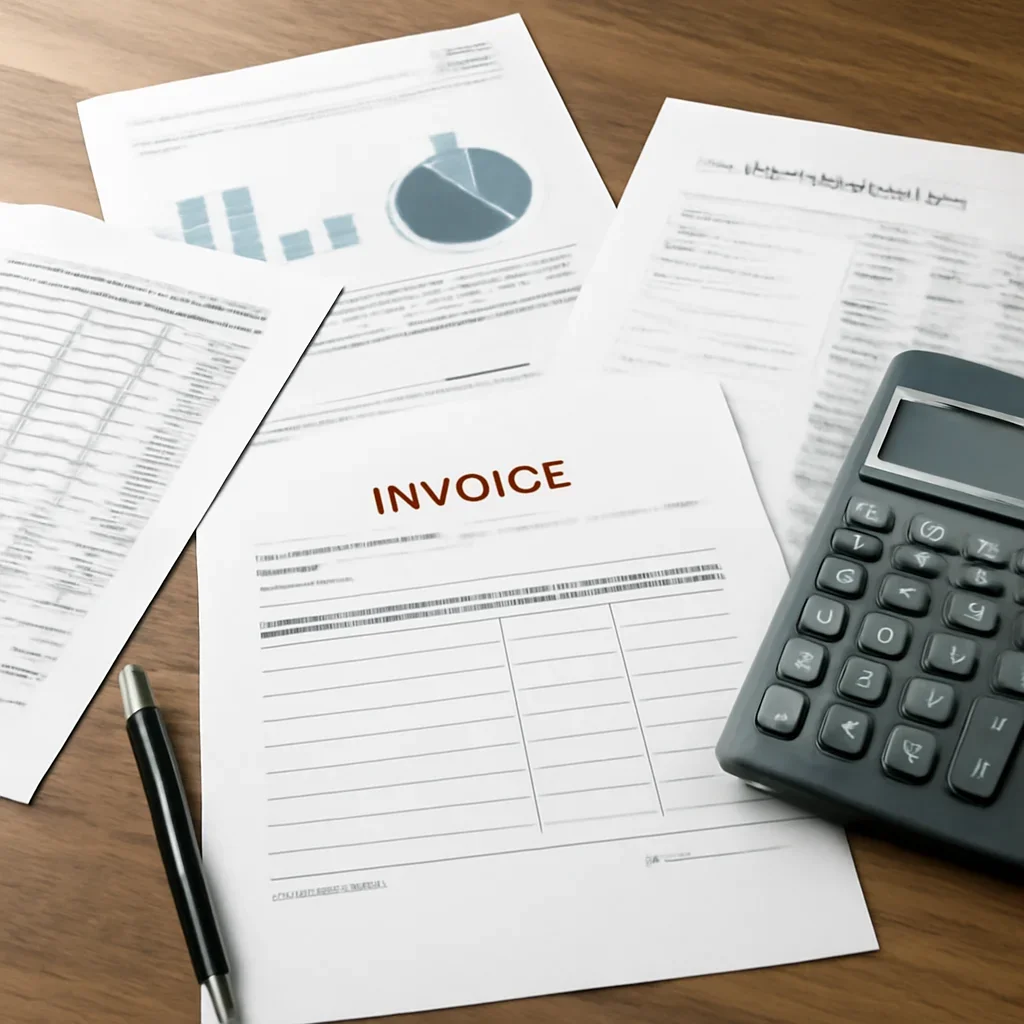
Financing secured by eligible receivables, with availability typically linked to the value and quality of outstanding invoices.


Business financing
Borrowing against outstanding invoices. My Business Loans helps U.S. companies understand common structures, prepare for review, and connect with participating financing providers when a match may be available.
Overview
A useful financing comparison starts with structure, repayment, and business fit. These points help you evaluate the option before focusing on advertised speed or maximum amounts.
Financing secured by eligible receivables, with availability typically linked to the value and quality of outstanding invoices.
Business-to-business companies with reliable invoices but slower customer payment cycles.
Compare advance rates, concentration limits, ineligible receivables, monitoring fees, recourse, and reporting requirements.
Process
Clear records and a defined purpose can make the review more efficient and help you compare offers on the same assumptions.
Set the amount, timing, and business outcome before comparing products. A precise request is easier to evaluate than a broad request for cash.
Organize recent financial and operating information so providers can understand revenue, obligations, ownership, and repayment capacity.
Review payment amount and frequency, total repayment, fees, security, guarantees, covenants, maturity, and any renewal or prepayment terms.
Read authorization and disclosure language before submitting. Ask what happens after the handoff and whether additional documents or credit review may be required.
Practical uses
Business-to-business companies with reliable invoices but slower customer payment cycles.
A shorter application or faster decision does not automatically mean a lower-cost or better product. Confirm the full agreement before accepting funds.
Documentation
Providers may request an aging report, customer list, sample invoices, bank statements, financial statements, and existing lien information.
Requirements vary by product and provider. Share accurate, current information and explain unusual transactions, recent credit events, ownership changes, or one-time expenses rather than leaving them unexplained.
Decision framework
Questions
Use these answers to clarify fit and avoid relying on a single advertised rate, speed claim, or approval message.
Start with the purpose, required amount, repayment source, and timing. Then compare those needs with the structure and cost. The best fit is the option your business can repay without creating a new cash-flow problem.
No. Marketplace matching, prequalification, or an initial review is not a commitment to lend. Approval and final terms depend on each provider's underwriting and verification.
Compare total dollar cost, annual percentage rate when provided, fees, payment frequency, term, collateral, personal guarantees, prepayment terms, and the consequences of late or missed payments.
Next step
Prepare the amount, use of funds, time in business, recent revenue, and preferred timing. Review the consent language before submitting, then compare any response without obligation to accept an offer.
Start with your business details